
rigid flex PCBs differ from traditional rigid PCBs
Rigid flex PCBs are hybrid circuit boards that combine rigid sections with flexible ones. They perform the same function as traditional rigid PCBs, connecting components with copper traces. However, they also offer a greater degree of flexibility in how they can be bent, twisted, or folded.
They can even be designed to bend in three-dimensional shapes, which is useful for many electronic applications such as foldable wearables, conformal heating elements, and drones. They are also much more resistant to harsh environments than rigid PCBs, which is critical for safety-critical or rugged devices.
In addition to their durability and flexibility, rigid flex pcb also reduce weight. By replacing multiple FR-4 PCBs and cables with a single rigid-flex board, they can significantly cut down the overall weight of an electronic device. They are ideal for use in lightweight devices such as cameras, drones, and wearables.
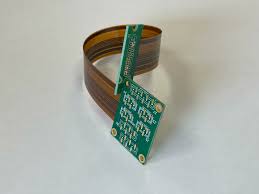
How do rigid flex PCBs differ from traditional rigid PCBs
Rigid-flex PCBs allow designers to create flexible electronics with more signal layers than would be possible with a conventional rigid-PCB. This gives designers the opportunity to take their designs from concept to production with greater ease and efficiency. The ability to flex the rigid-flex PCB also allows them to fit in tight spaces that might otherwise be difficult for a traditional rigid-PCB to accommodate.
Unlike rigid PCBs, which must be soldered by hand, a rigid-flex PCB can be populated with leaded or leadless components using surface mount technology (SMT) assembly lines. This significantly improves the quality of the finished product, reducing production costs and time to market. Moreover, the flex sections of rigid-flex PCBs can be routed to locations that are better suited for SMT pick and place machinery, further increasing the manufacturing efficiency of these circuit boards.
The design of rigid-flex circuit boards can vary greatly, depending on the specific requirements of each individual project. However, there are some key features that all rigid-flex circuits must have in order to be successful.
First, rigid-flex circuits must be capable of withstanding high vibration environments. Vibration can cause stress on the materials in a PCB, potentially leading to material fatigue and interconnect reliability failures. Fortunately, rigid-flex PCBs are able to resist these effects by incorporating specific reinforcements and material selection in their construction.
Secondly, rigid-flex circuits must be able to withstand repeated bending and flexing. They achieve this by incorporating rigid sections that are reinforced with materials like FR-4 fiberglass and Polyimide film, with a flexible section that is fortified with additional copper layers and prepreg. They are also capable of withstanding thousands or even millions of flex cycles, making them well-suited for use in applications such as mobile phones and laptops.
Rigid flex PCBs are more expensive than traditional rigid PCBs, but they offer unique advantages that make them worth the investment. Getting the right manufacturer to design, manufacture, and assemble rigid-flex circuits will ensure that the final product meets all of its performance and functionality goals. The best way to get the most out of your rigid-flex circuit board is to work with an experienced manufacturer that can provide you with a wide range of services, including CAD/CAM, ECAD, and MCAD integration.