
PCB Assembly and Manufacturing Bend Or Twist
When PCBs are bent or twisted, it makes it difficult to attach components and to solder them. These distortions also affect the reliability of the PCB. Fortunately, there are ways to minimize these problems during the assembly and manufacturing process. These include using quality materials that are appropriate for the assembly process; ensuring that all materials are from one source and coming from the same batch; and avoiding thermal shocks by slowing down the heating and cooling processes. Additionally, PCB manufacturers should have a process for’straightening’ the boards, including the use of horizontal ovens and letting them cool down under weight.
In multilayer PCBs, the bending and twisting is often caused by different circuit configurations or layer constructions. This can be exacerbated by uneven distribution of copper in the Gerber files. This is why it is so important to check that the copper surface on all layers is smooth and uniform.
Bow and twist deformations are largely unavoidable in PCB fabrication as the substrates and prepregs are bonded together under heat and pressure. These create directional stresses that lead to warping of thin panels. The distortions can also be exacerbated by misalignment between the copper patterns in different layers and by uneven lamination registration.
These distortions can make a bowed or twisted PCB impossible to solder, and may require the PCB to be reworked, which adds cost to the project. It is therefore important for designers to work closely with their fab partners to ensure that the boards are produced with flatness as part of the design specification.
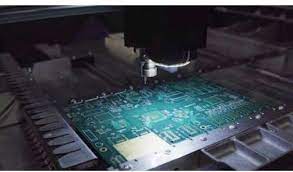
Can PCB Assembly and Manufacturing Bend Or Twist?
Besides distortions, pcb assembly and manufacturing have many other factors that impact the final product’s quality. For example, labor rates and overhead expenses are a big factor in determining the price per square inch of the finished board. Some manufacturers also charge for expedited shipping, which increases the overall cost.
A bowed or twisted PCB is not good for any type of electronic assembly. It can cause poor performance and may even be a safety hazard. If the bending is severe, it can damage conductors. Therefore, it is essential to choose a manufacturer who has a strong track record of producing high-quality PCBs.
For this reason, a professional PCB assembly company should have a well-established supply chain and a solid reputation in the industry. They should also offer a wide range of services that meet the various needs of their clients, including a fast turnaround time. A good PCB assembly company will be able to produce high-quality and reliable boards at an affordable rate. They will also be able to offer custom packaging to meet the requirements of their clients. This will help them increase their customer base and maintain a loyal clientele. They will also be able to attract more clients through referrals. This will also allow them to improve their business and become more competitive. In addition, a good PCB assembly company will have a large pool of qualified and experienced workers.