
Flexible printed circuit board
Ensuring RoHS compliance in flexible printed circuit boards (PCBs) is paramount in today’s electronic manufacturing landscape. RoHS, which stands for Restriction of Hazardous Substances, is a directive adopted by the European Union to restrict the use of certain hazardous materials in electrical and electronic equipment. Flexible PCBs, with their widespread use in various industries like consumer electronics, automotive, and healthcare, must adhere to RoHS standards to ensure environmental sustainability and user safety.
One of the primary methods to ensure RoHS compliance in flexible printed circuit board is material selection. Manufacturers opt for RoHS-compliant materials during the design phase, carefully choosing components that do not contain restricted substances such as lead, mercury, cadmium, hexavalent chromium, polybrominated biphenyls (PBBs), and polybrominated diphenyl ethers (PBDEs). This proactive approach ensures that the PCBs meet RoHS standards right from the outset.
Moreover, stringent supplier management practices play a crucial role in ensuring RoHS compliance. Manufacturers engage with suppliers who provide certified RoHS-compliant materials and components. They often require suppliers to provide documentation such as Material Safety Data Sheets (MSDS) and RoHS compliance certificates, verifying the absence of restricted substances in the supplied materials. Regular audits and inspections of supplier facilities further reinforce compliance efforts.
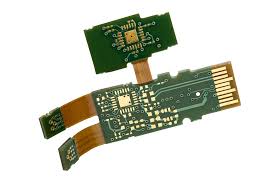
How is RoHS compliance ensured in Flexible printed circuit board?
In addition to material selection and supplier management, manufacturing processes are carefully monitored to maintain RoHS compliance. Employing lead-free soldering techniques is a fundamental aspect of this endeavor. Lead-free solder alloys, typically composed of tin, silver, and copper, are utilized in the assembly of flexible PCBs to eliminate the use of lead, a highly regulated substance under RoHS. Advanced soldering technologies and automated assembly processes help ensure consistent adherence to RoHS standards throughout production.
Quality control measures are implemented at various stages of flexible PCB manufacturing to detect and mitigate any potential non-compliance issues. These measures include visual inspections, chemical analysis, and testing procedures to verify the absence of restricted substances. Advanced testing equipment capable of detecting trace amounts of hazardous materials is utilized to ensure the reliability and safety of RoHS-compliant flexible PCBs.
Furthermore, compliance with RoHS regulations extends beyond the manufacturing phase to encompass proper labeling and documentation. Finished flexible PCBs are labeled with RoHS compliance symbols to signify adherence to regulatory standards. Comprehensive documentation, including RoHS compliance certificates and declarations of conformity, accompanies the products, providing assurance to customers and regulatory authorities alike.
Regular updates and revisions to RoHS directives necessitate ongoing compliance efforts within the electronics industry. Manufacturers must stay informed about changes to regulations and proactively adjust their processes and practices to align with updated requirements. Collaborating with industry associations and regulatory bodies helps manufacturers stay ahead of regulatory changes and maintain compliance effectively.
In conclusion, ensuring RoHS compliance in flexible printed circuit boards requires a multifaceted approach encompassing material selection, supplier management, manufacturing processes, quality control, and documentation. By adhering to RoHS standards, manufacturers not only fulfill regulatory obligations but also contribute to environmental sustainability and consumer safety. Embracing RoHS compliance is not merely a legal requirement but a commitment to responsible manufacturing practices in the electronics industry.